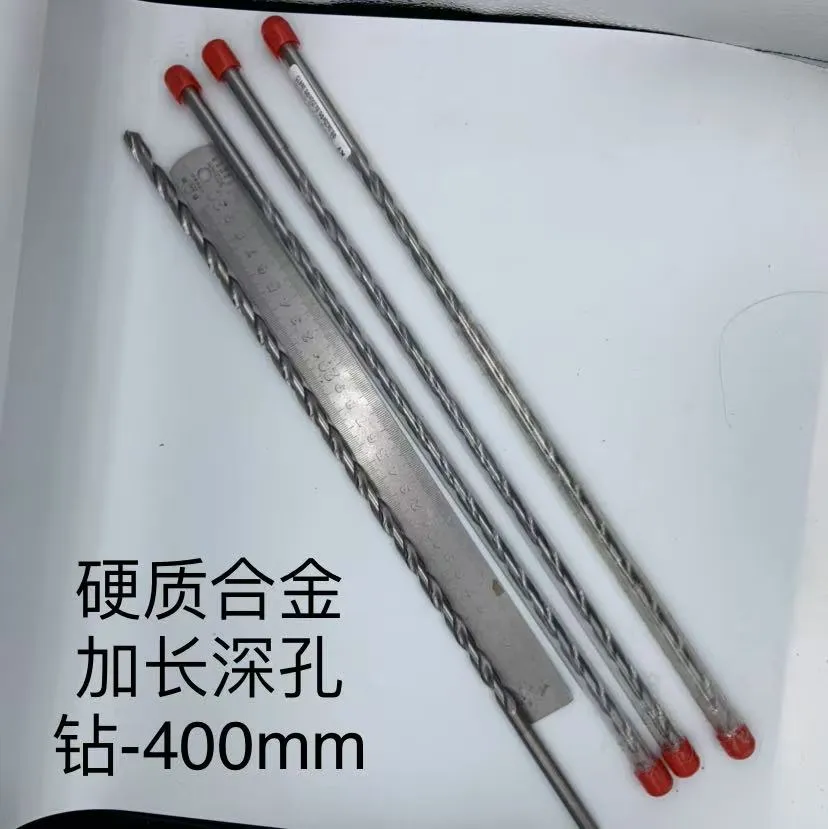
A practical explanation of coolant drills, when through-tool coolant matters, and what process details to collect before choosing a 3D–25D coolant-through drill.
A coolant drill typically refers to a drill with internal channels that deliver coolant at the cutting edge under pressure. This article is an educational selection guide; for commercial sizes, pricing, and SKU links, use the coolant-thru drill product family page.
When Coolant-Through is Worth It
- Deeper holes (higher depth ratios) where chips pack in the flutes.
- Tough or gummy materials (stainless, some alloys) where heat and built-up edge are problems.
- Long flute tools or long overall length drills.
- Production holes where stability matters more than minimum tool cost.
What to Specify in Your RFQ
- Diameter and depth ratio; required flute length and OAL.
- Available coolant pressure and filtration quality.
- Material and hardness; through vs blind holes.
- Point style and tolerance targets.
Commercial Product Pages — Coolant-Through Drills
Through-coolant drilling families with multiple depth ratios and sizes.
Deep-hole coolant-through SKU table with pilot-hole and coolant requirements.
Maximum-depth coolant-through SKU table for long-reach precision drilling.
Browse drill families and decide whether through-coolant is required.
Real Cases
Coolant-through examples and workshop photos: https://solidcarbidedirect.com/custom-tooling-cases
Tags