Case study
Reamers
Necked Solid Carbide Reamers: H7 & Ra 1.6 µm Performance
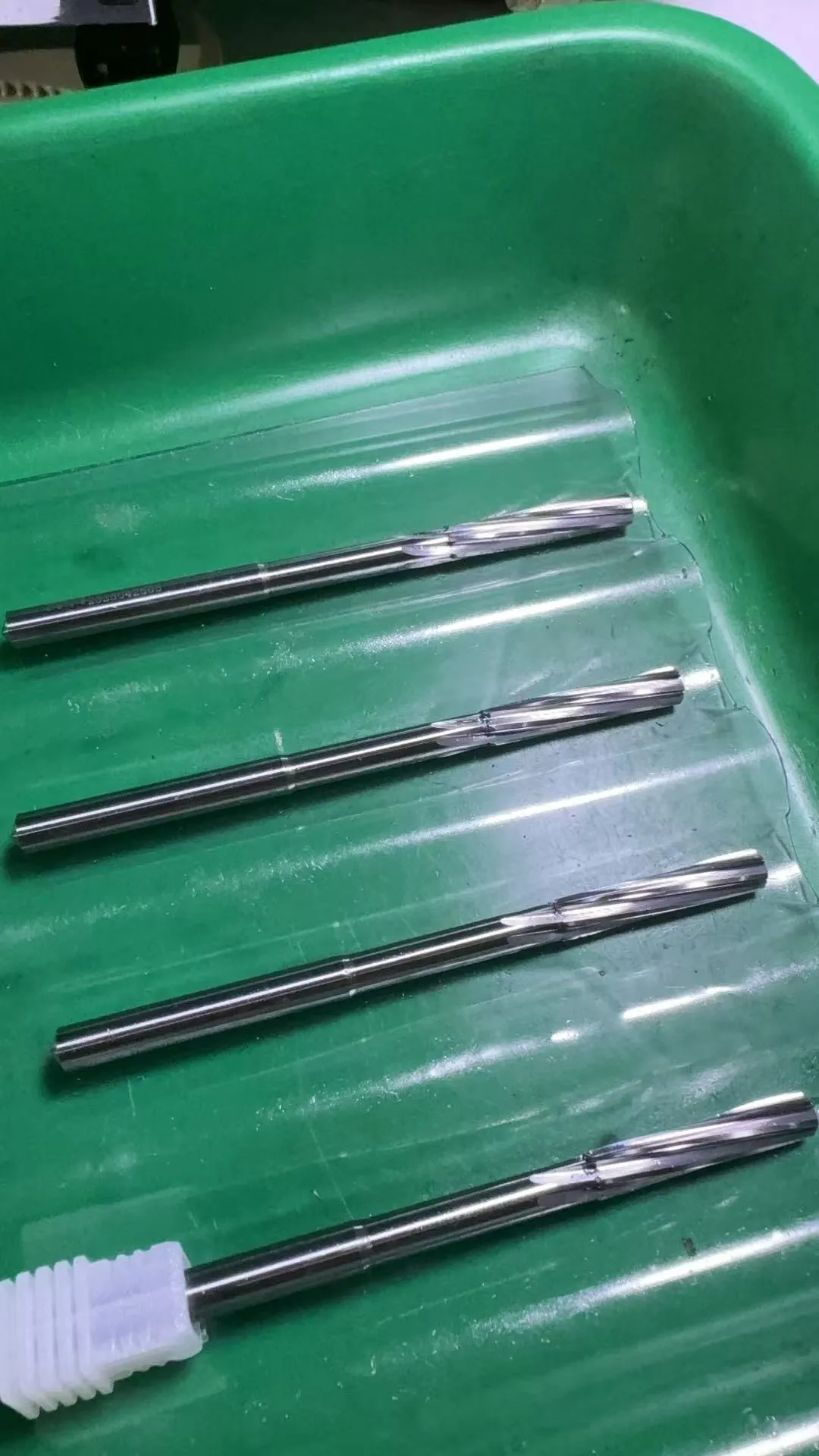
The lead image shows our solid carbide reamers with an intentional neck relief: the cutting diameter is carried on a short land, then the body steps down so the tool can clear shoulders, intersecting features, or short lead-in sections without rubbing. The photograph was taken on our Changzhou shop floor after precision grinding and inspection, before coating — the natural carbide colour is visible because PVD has not yet been applied.
These tools were engineered for finish-reaming programmes that specify tight bore tolerance and controlled surface texture. The nominal target for the referenced production lot was ISO H7 on diameter and Ra 1.6 µm or better on the bore wall — levels that depend as much on stable preceding operations (drill / semi-finish bore) as on the reamer, but that still require a true round form, controlled margins, and batch-consistent geometry.
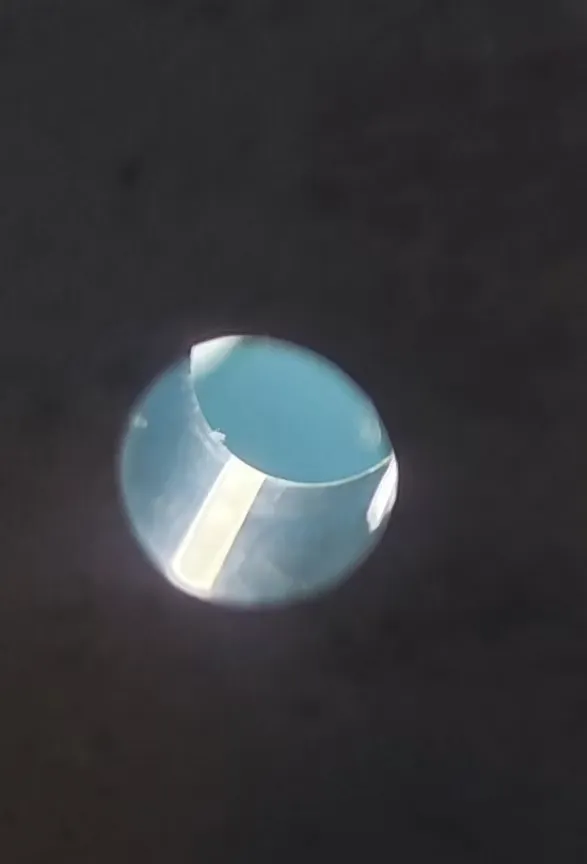
Neck relief is not cosmetic: it reduces contact between the non-cutting body and the hole wall, lowers heat and scratch risk on exit, and helps in assemblies where the reamer must pass through a narrower entrance before cutting at full diameter. Margin width, lead angle, and flute polish are matched to the customer’s material — typically alloy steels or hardened steel after heat treat — and to the coolant and speed programme.
In extended trials on comparable parts, metre-for-metre tool life and hole-to-hole variation have met benchmarks our customer previously associated with premium European reamer suppliers (including programmes historically run with Guhring tools). We do not claim interchangeability of part numbers — we claim that, when process inputs are aligned, our custom solid carbide reamer can hold H7-class results and competitive life in the same machining window.
If your line needs necked solid carbide reamers with defined H7 / surface-finish targets, send bore diameter, depth, material and hardness, preceding process (drill size, stock allowance), and machine spindle interface — we will propose geometry, coating, and inspection criteria from first article through serial release.
Custom tooling
Discuss your next custom tool
Send drawings, material, and target cycle time. Our application team typically responds within one business day with feasibility feedback and next steps.