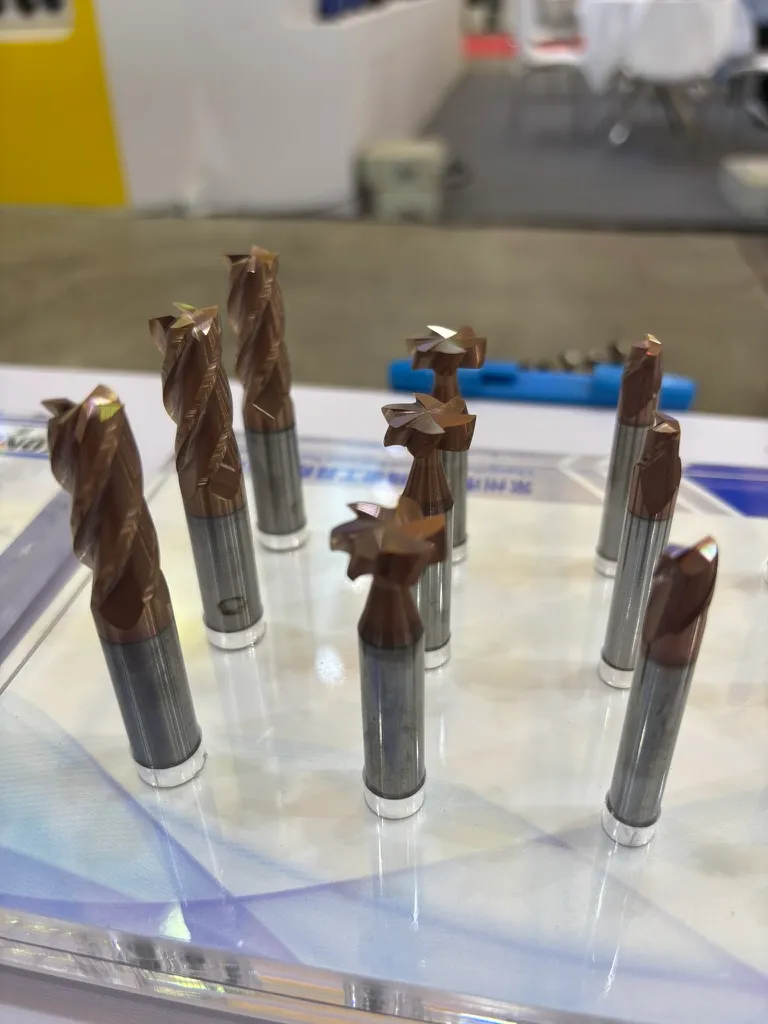
Custom carbide tooling is about process stability as much as geometry. This practical guide shows what to specify, how to choose coatings, and how to shorten the quote-to-first-article cycle.
If you purchase custom carbide tooling, your goal is usually predictable production: fewer tool changes, lower scrap, and stable cycle time. The most efficient RFQs define not only the geometry, but also the workpiece material, machine constraints, and acceptance criteria for inspection.
What Custom Tooling Can Replace
- Multiple standard tools (single-pass profiles, reduced setups).
- Secondary operations (less blending, less rework, fewer deburr steps).
- Unstable parameters (geometry + coating tuned to your actual cut).
RFQ Checklist
- Drawing (PDF/STEP) and which dimensions are critical.
- Work material and hardness, including heat treat stage.
- Cut type (slotting, profiling, drilling depth ratio) and coolant strategy.
- Tolerance and finish targets; inspection method if you have one.
- Lot size and lead time expectations.
Our Solid Carbide Tools — Factory Direct from Changzhou
Start here to see drill and end mill families before specifying a custom tool.
Through-coolant drilling for deep holes and chip control.
Square end mills for steels/stainless/aluminium with coating options.
Browse drill families and define the baseline before customizing.
See Real Projects
Our Custom Tooling Real Cases page shows photos and examples across drills, end mills, reamers, and specials: https://solidcarbidedirect.com/custom-tooling-cases
Schlagwörter