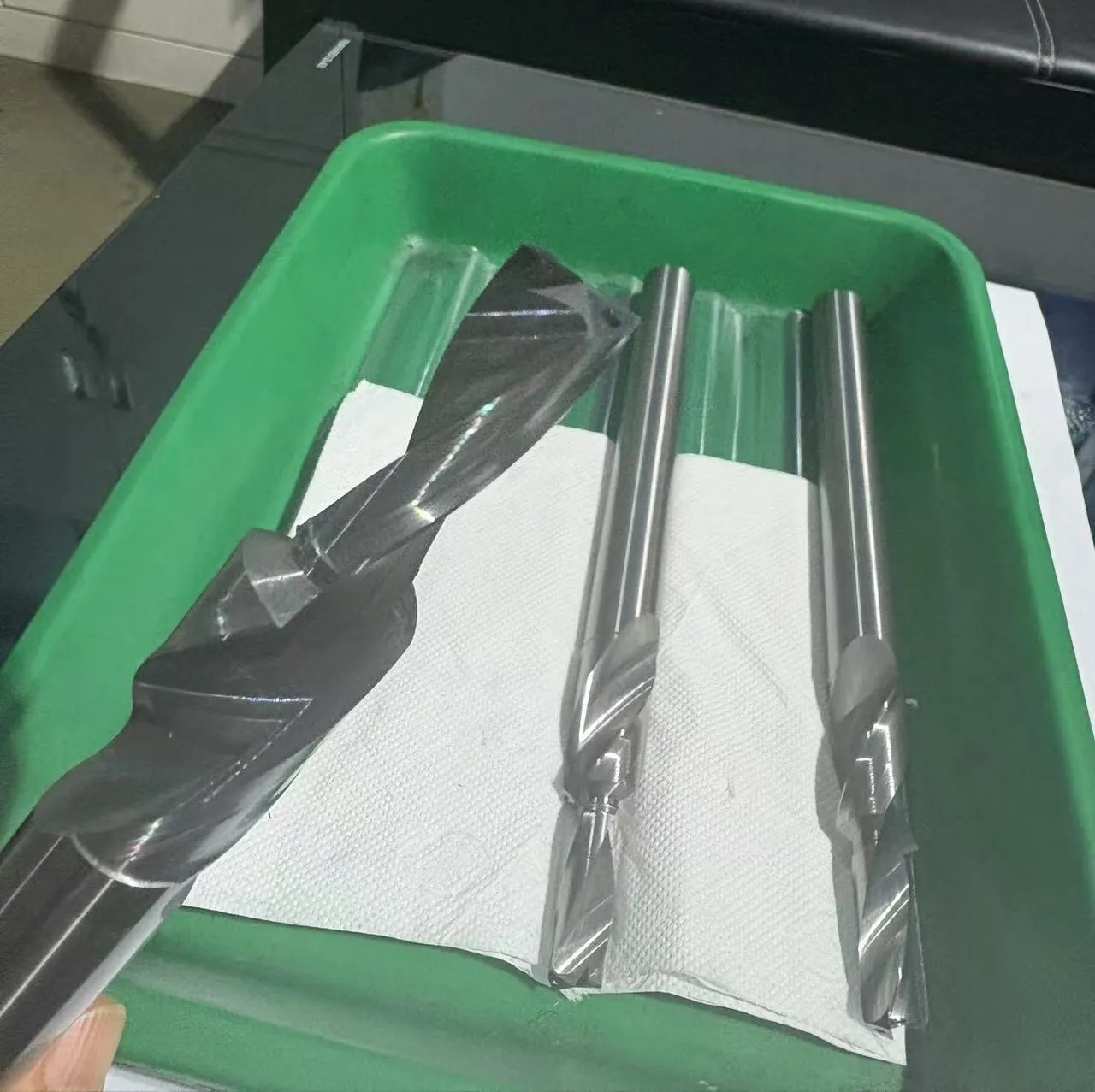
Custom step drills help you machine step features in one setup, reduce mismatch at shoulders, and simplify production. Here is what to specify and how to choose geometry and coolant strategy.
Custom step drills are engineered for parts that need two or more diameters in the same hole. Instead of drilling and then counterboring (or drilling multiple times with different tools), a step drill can complete the geometry with better alignment and fewer tool changes.
Benefits vs Multiple Standard Tools
- Better coaxiality between steps (single tool axis).
- Lower cycle time (fewer tool changes and re-positioning).
- Cleaner shoulder transitions when point style is specified correctly.
- Simpler inventory for high-mix production runs.
RFQ Inputs That Matter
- Step diameters and step lengths (clearly dimensioned).
- Hole type: through vs blind; flat-bottom requirement (if any).
- Material + hardness + coolant pressure available.
- Tolerance and finish per step (only the critical steps need tight control).
Send your step drill drawing and material. We will recommend point style, flute form, and coating, then quote quickly.
Related Products — Carbide Drills
Custom Tooling Real Cases
For photos of stepped drills and workshop snapshots, see: https://solidcarbidedirect.com/custom-tooling-cases
Schlagwörter
custom step drillscustom step drill bitscustom drillcustom drill bitscarbide step drillsflat bottom drillcoolant through drillproduction holemaking