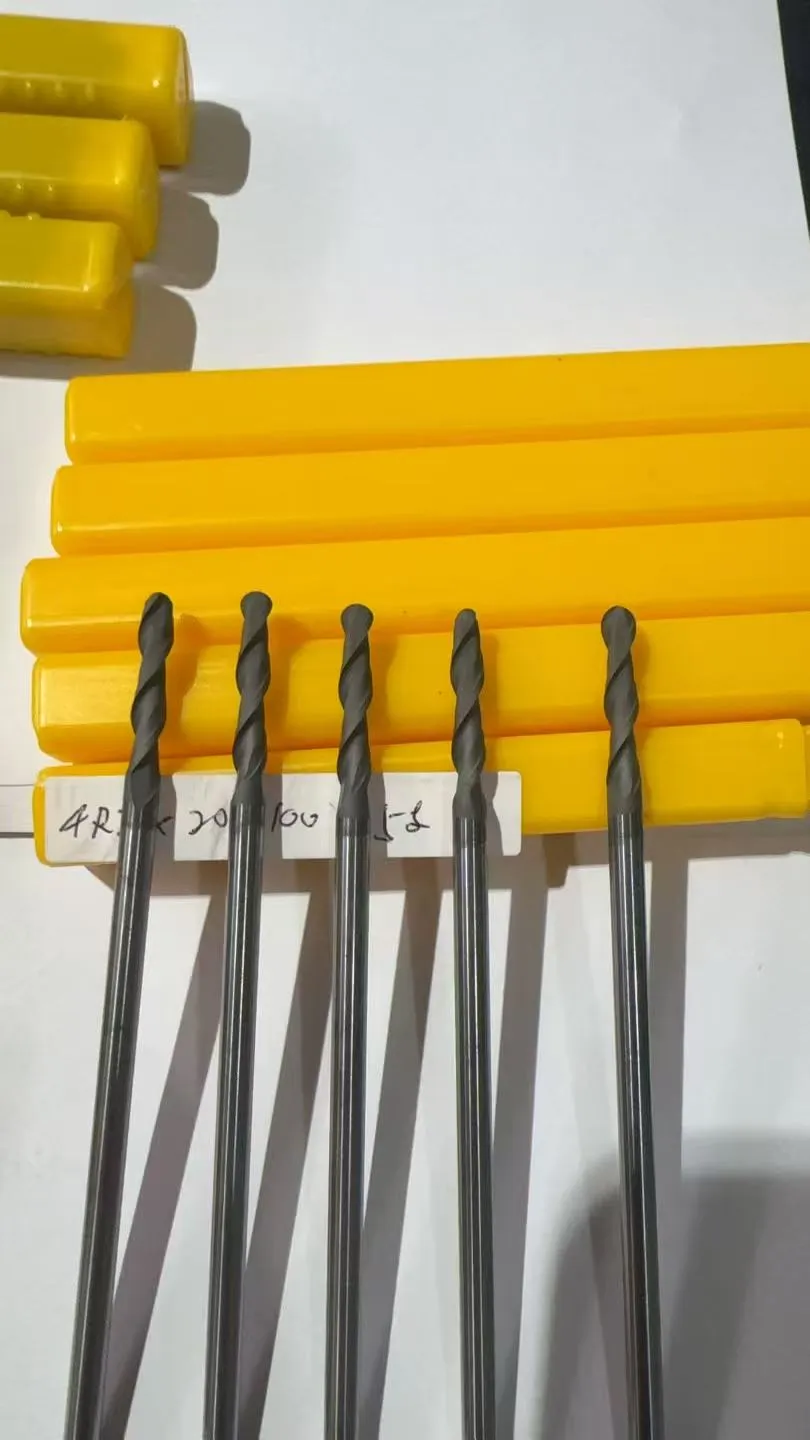
A factory sourcing guide for custom graphite cutters: define the coating, dimensions after coating, usable reach and acceptance test before placing an OEM or production order.
When sourcing custom graphite end mills from China, start with the electrode or part drawing rather than a generic request for a black-coated cutter. The useful specification connects the graphite grade, smallest feature, cutting profile, usable reach and finished tool dimensions. It also identifies the coating and the acceptance criteria for your first batch.
KY Tools supplies custom solid carbide end mills from Changzhou, China, including diamond-coating requests for graphite applications. Use the configurator to describe the required tool, select Graphite as the working material and explain the operation. The team can then review the geometry and coating with you before quotation and production.
Choose a standard graphite series or a custom geometry
First compare an available graphite tool series with the required feature. A custom cutter becomes useful when standard diameter, radius, cutting length or neck clearance does not fit. Make clear whether the goal is electrode finishing, a deep narrow feature or another graphite part. This helps the factory understand why the catalogue alternative is unsuitable.
| Part feature | Profile to evaluate | Information for the factory |
|---|---|---|
| Flat-bottom pocket or slot | Square end | Required floor geometry, slot width, cutting diameter and tolerance |
| Curved electrode or 3D contour | Ball nose | Ball diameter or radius, cutting length and critical surface features |
| Permitted corner fillets | Corner radius | The specified corner radius, diameter and finishing allowance |
| Deep cavity or narrow rib | Relieved-neck tool | Effective reach, neck diameter, cavity drawing and holder clearance |
Select the cutter from the feature; verify access throughout the intended toolpath.
Specify the coating designation, not only its colour
Graphite is abrasive, so edge wear is a central purchasing concern. CVD diamond-coated carbide is one established tool option for graphite machining. When comparing offers, ask for the actual coating designation and the recommended graphite application. Colour alone does not establish the coating material, deposition process or suitability for your job.
DLC means diamond-like carbon; it is not interchangeable with crystalline diamond coating. If your drawing calls for a particular coating, include the designation and have the supplier confirm it. If you request a recommendation, give the graphite grade, operation and required part quality so the proposed coating can be evaluated in that context.
Agree on dimensions and inspection after coating
State whether the diameter and radius acceptance limits apply to the finished, coated tool. A quote should identify the dimensions the delivered cutter must meet. For a ball nose, consider the radius requirement as well as the maximum diameter. For a relieved neck, show where clearance is needed and how the effective length is measured from the tool tip.
| Purchase specification | Ask the supplier to confirm |
|---|---|
| Finished cutting diameter and radius | The accepted limits apply to the delivered, coated tool |
| Coating | Designation, intended work material and whether the quotation includes it |
| Neck and reach | Effective length, clearance diameter and any taper shown on the approved drawing |
| Runout requirement | Measurement location, holding arrangement and agreed acceptance limit |
| Inspection | Critical features to be checked and any report required for order acceptance |
| Traceability | Tool code, drawing revision, quantity and approved coating specification |
KY checks every piece using its ZOLLER system against the agreed tool specification. The configurator defaults to a cutting-diameter tolerance of −0.020 / +0.000 mm and an h7 shank. If the graphite feature requires different limits, enter those requirements explicitly and have the final tool specification reviewed before manufacture.
Evaluate a trial using accepted electrodes and feature quality
A trial order should answer a production question. Record the graphite grade, machine, holder, tool overhang, program and cutting conditions, then inspect the same critical features at agreed intervals. Separate cutter wear from errors caused by access, runout, workholding or the process. A trial in one grade and setup does not establish performance in every graphite application.
Compare tool cost per accepted part, not only purchase price. For an illustrative calculation, a tool costing $40 that makes 20 accepted electrodes has a tool cost of $2 per accepted electrode; a $25 tool making 10 has a tool cost of $2.50. These are example inputs, not KY prices or life-test results. Add tool-changing time and scrap cost when evaluating the full process.
Order custom graphite end mills with OEM marking
Our custom ordering service has a 5-piece minimum and a standard 10-day lead time; the quotation confirms the schedule for the chosen tool and coating. Private-label buyers can request shank laser marking and a sticker on the tool box. Keep the approved drawing, coating, marking and trial record together for repeat orders.
- Send the graphite grade and part or electrode drawing, including the smallest radius and deepest feature.
- Specify diameter, cutting length, radius, shank, overall length and any neck relief or effective-reach requirement.
- State the coating designation, or ask for an application-based recommendation.
- List quantity per tool, acceptance requirements, OEM marking and required delivery date.
- Provide a reply email or WhatsApp number. For several tools, use the Excel enquiry template and attach the drawings.
Graphite tooling and quotation resources
Select Graphite as the working material and describe your coating, dimensions and application.
Compare existing geometries and sizes before commissioning a custom tool.
Read the machining-focused guide to geometry, process checks and tool selection.
Prepare a comparable factory RFQ with dimensional and OEM requirements.
Send the graphite grade, drawings, quantity and coating request.
Technical references
General background on graphite abrasiveness and coated carbide tools.
Manufacturer reference showing graphite-specific long-reach and CVD diamond-coated tool applications.
Technical reference explaining the terminology of amorphous carbon and DLC coatings.
Tags