Custom Ground End Mills: Specs, Lead Times, and How to Quote
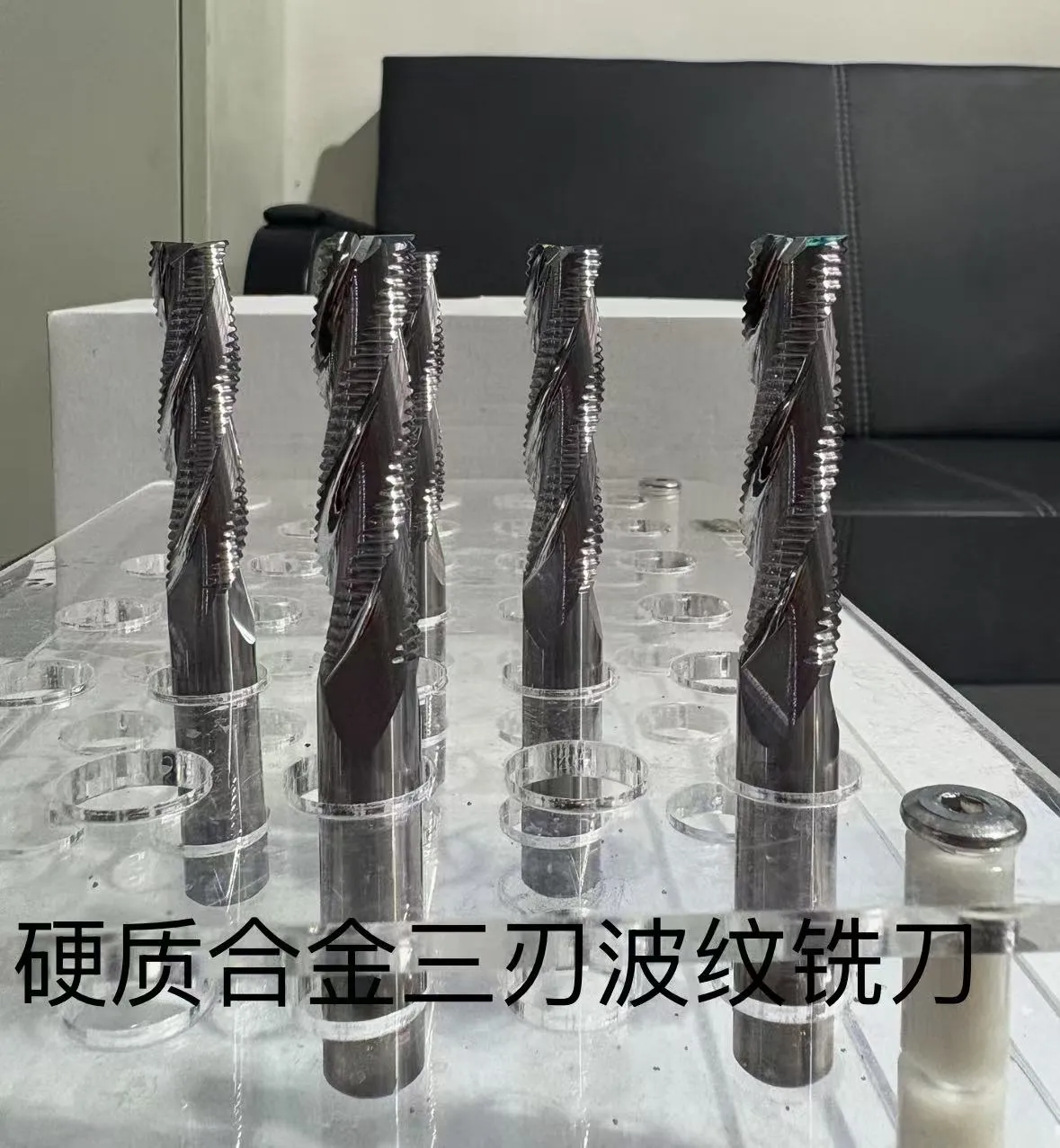
Custom ground end mills are the fastest way to turn a drawing into a stable machining process. This guide explains what to specify, how to avoid quoting delays, and how to choose geometry and coating for your material.
If you are searching for custom ground end mills, you typically need a tool that cannot be solved with an off-the-shelf SKU: a special reach, a neck relief, a profile, or a cutting edge tailored to a specific material and surface-finish requirement. A well-specified RFQ lets the grinder lock geometry, edge preparation, and coating so the first article matches your process window rather than becoming a trial-and-error project.
When to Choose Custom Ground End Mills
- Non-standard reach or clearance: necked tools, reduced shanks, or interference constraints.
- Special features: corner chamfers, blended radii, undercuts, or profile sections.
- Process stability: improving chatter resistance with optimized core diameter and flute form.
- Material-driven needs: stainless/titanium/exotics where coating + edge prep determine life.
Key Specs to Provide for a Fast Quote
- Tool type: square / corner radius / ball nose / profile form.
- Diameter, corner radius (if any), flute length (LOC), overall length (OAL).
- Shank diameter + holder interface (collet, shrink, hydraulic).
- Work material and hardness + whether the cut is slotting, side milling, or finishing.
- Tolerance targets (diameter, runout) and surface finish requirement.
- Coolant strategy (flood, MQL, through-coolant if applicable) and spindle limits.
Manufacturing, Inspection, and Edge Preparation
Custom grinding is not only the flute shape; it is the full chain: geometry control, flute finish (polish), and cutting-edge preparation (honing/passivation) to prevent micro-chipping. Batch inspection is what makes specials repeatable—your next order should behave like the first.
Related Products — Solid Carbide End Mills
Square end mills ø1–20 mm with coating options aligned to steels, stainless, and aluminium.
3D contouring tools for mould and die, with radius consistency and edge stability.
Corner radius tools for shoulder milling where edge strength matters.
Browse carbide end mill families and choose a baseline before customizing geometry.
Related Real Cases (Photos & Results)
See documented examples from our factory and applications team: https://solidcarbidedirect.com/custom-tooling-cases
Tagi