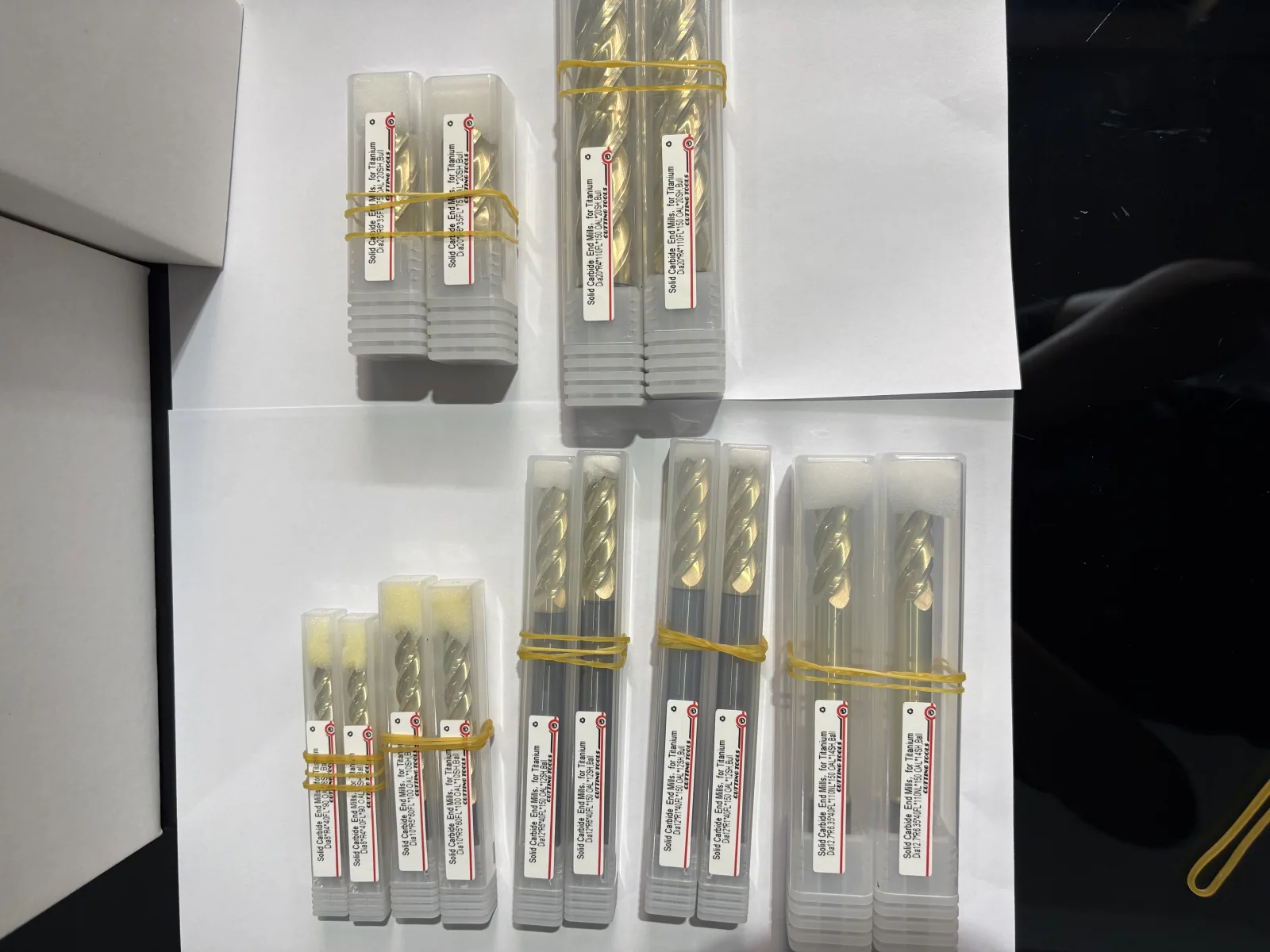
316L liquid cooling manifolds bring adhesion, burrs and long-reach chatter into the same job. Choose KYTOOLS ZrN tooling by feature, then validate cost per accepted part in a controlled trial.
Looking for end mills for a 316L stainless steel liquid cooling manifold? Start with the sealing faces, pocket depth, tool reach and inspection requirements—not the coating name alone. KYTOOLS offers ZrN-coated carbide end mill options for stainless steel and titanium, with geometry selection and drawing-based enquiries for your actual operation.
AI liquid cooling components: where milling matters
Liquid cooling assemblies for GPU servers and other thermal-management equipment include manifolds, connectors and valve blocks. This guide focuses on parts specified in 316L stainless steel. Material and inspection requirements vary by component; a stainless valve block, an aluminium cold plate and a titanium component need separate tool selection.
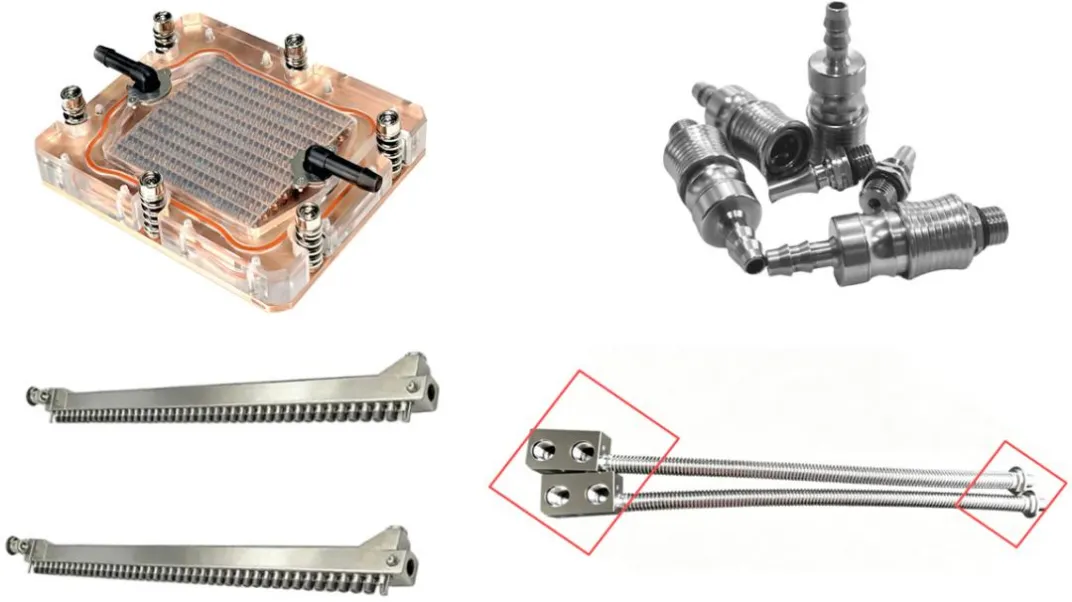
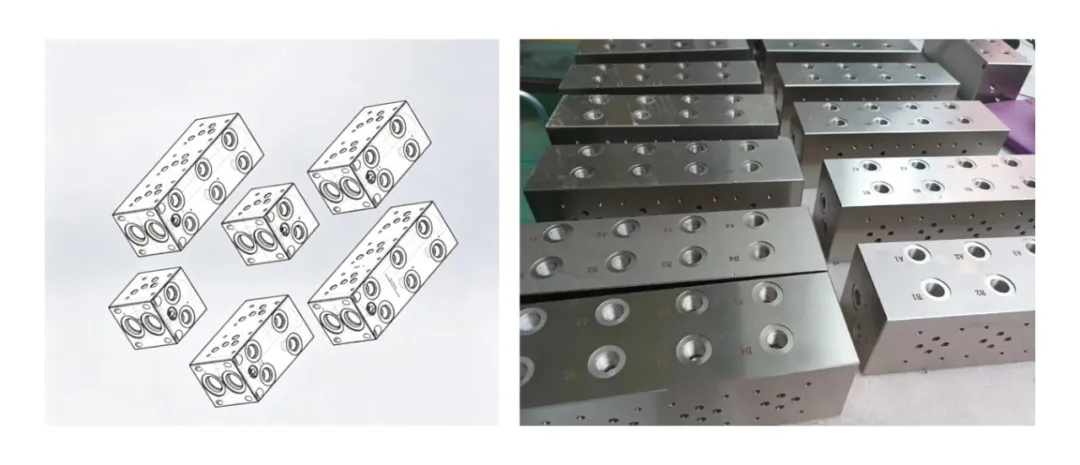
Why a 316L micro-manifold can be difficult to machine
316L can combine work hardening and adhesion at the cutting edge with challenging chip evacuation. Long tool reach in narrow pockets adds a further risk of deflection and chatter. A cutting edge that rubs or recuts trapped chips can make the next pass less stable.
| Feature or requirement | What to evaluate | Tool and process review |
|---|---|---|
| Datum and sealing faces | Flatness, parallelism and finish after unclamping | Short, rigid setup; consistent finishing allowance |
| Deep pockets and annular grooves | Chatter, wall taper and chip retention | Effective reach, neck clearance and chip space |
| Internal corners and curved surfaces | Drawing radius and remaining stock | Corner-radius or ball-nose geometry to suit the feature |
| Intersecting small deep holes | Hole position and intersection burrs | Separate drilling, deburring and cleaning operations |
The reference application describes flatness/parallelism of 0.02 mm or less and Ra of 1.6 μm or less. These are example drawing requirements, not universal liquid cooling standards or a KYTOOLS capability guarantee. Confirm the stock condition and hardness from the actual material certificate; do not apply one sample hardness to every 316L job.
How to select KYTOOLS ZrN end mills for the operation
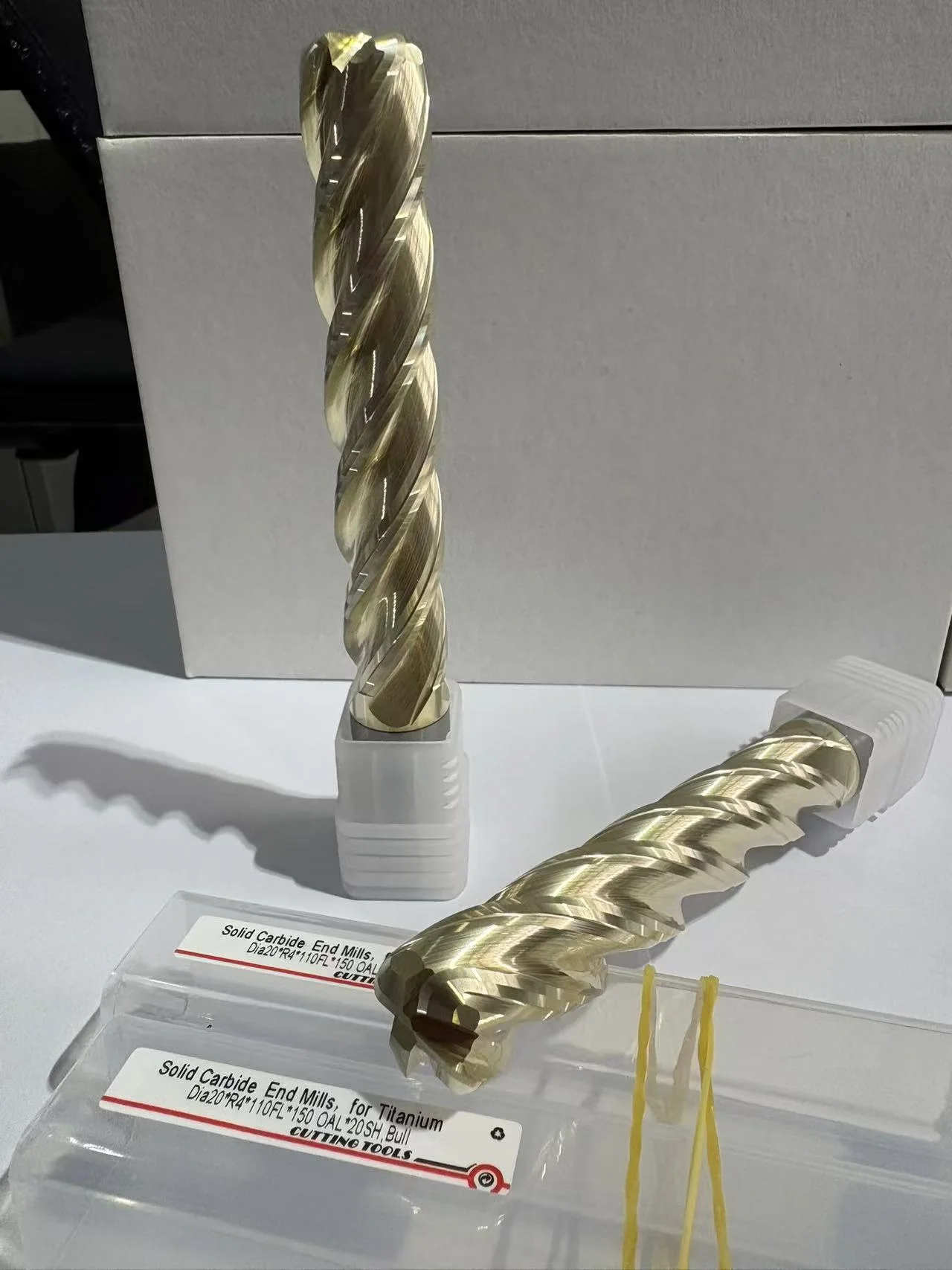
Our stainless steel and titanium ZrN range includes flat-end, corner-radius, ball-nose, long-neck and roughing families. Select the profile around the part feature and use the shortest practical reach. A long neck may provide clearance, but unnecessary overhang reduces stiffness. Confirm flute count, helix and dimensions for the selected order code.
- Flat-end tools: review for accessible flat-bottom pockets, shoulders and faces.
- Corner-radius tools: consider where the drawing permits a corner radius; match the radius to remaining stock and finishing needs.
- Ball-nose tools: review for curved surfaces and 3D finishing rather than treating them as universal pocketing tools.
- Long-neck tools: specify effective reach and clearance separately from cutting length.
What ZrN coating can—and cannot—tell you
ZrN is the PVD coating offered in this product range. Coating selection must be considered alongside the substrate, cutting-edge preparation, geometry, coolant delivery and engagement. A champagne-gold surface alone does not establish adhesion resistance, tool life or a suitable speed/feed window. Confirm suitability for your stainless steel or titanium grade through a sample trial.
Do not transfer a titanium cutting recipe directly to 316L. Even within one tool range, slotting, side milling and deep-pocket finishing involve different engagement and chip evacuation conditions. Request cutting guidance with the diameter, reach, machine, holder and coolant details rather than applying a single generic parameter table.
Compare cost per accepted part, not just pieces per tool
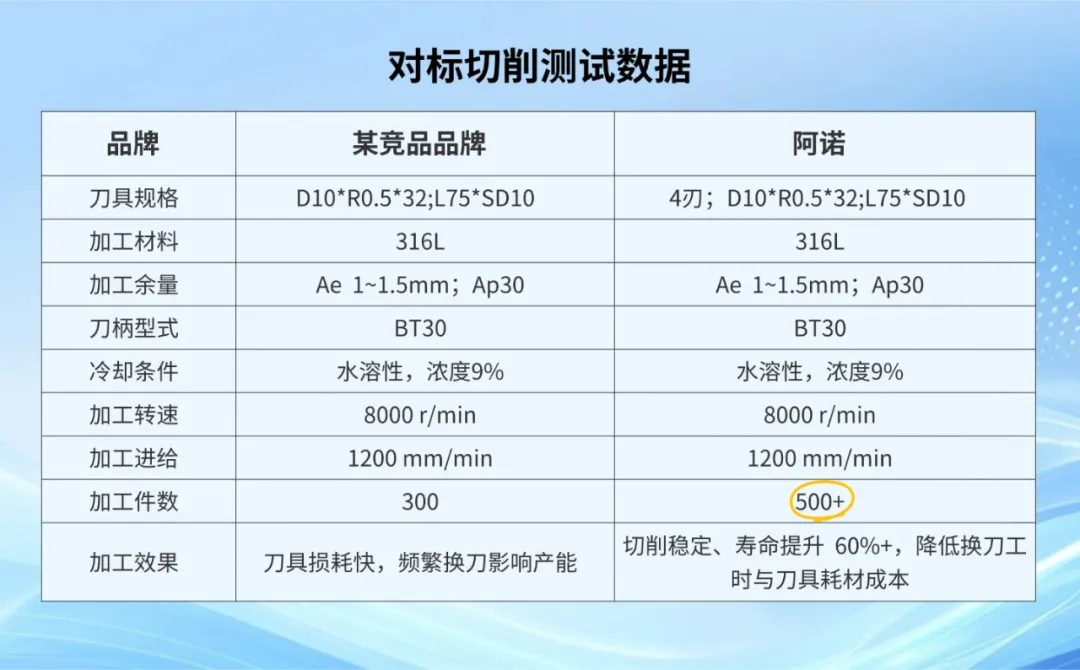
Run the proposed tool and your current tool on comparable material, features, holders and coolant conditions. First establish a controlled baseline; record any later parameter changes separately. Set the same end-of-life rule before testing, using the drawing limits and a defined wear or damage criterion.
- Record cutting time, setup and tool-change time, and accepted versus rejected parts.
- Measure sealing faces, dimensional drift and burr condition at agreed intervals.
- Photograph edge wear and record the failure mode: adhesion, chipping, wear or chatter.
- Compare repeat trials before making a production-life claim.
Using one tool for roughing and finishing may reduce tool changes, but a worn roughing edge may no longer deliver the required sealing-face finish. Validate the combined route against a separate finishing tool before choosing it for production.
Buyer questions: holes, surface finish and titanium
- Can an end mill solve intersecting deep holes? No. Plan suitable drilling, deburring and cleanliness verification alongside milling.
- Does ZrN guarantee Ra 1.6 μm? No. Finish depends on the complete setup and process and must be measured on the part.
- Can this range also be evaluated for titanium? Yes, but specify the titanium grade and validate a separate cutting process.
Explore the tooling and prepare your enquiry
Request a KYTOOLS liquid cooling machining tool review
Send a part drawing or diameter list, material grade and condition, critical tolerances, pocket depth, maximum overhang, current tool and failure mode. Include machine and coolant details, coating requirements, trial quantity, annual demand and any marking or inspection-report needs.
Original reference article
Tags